
About The Instructor
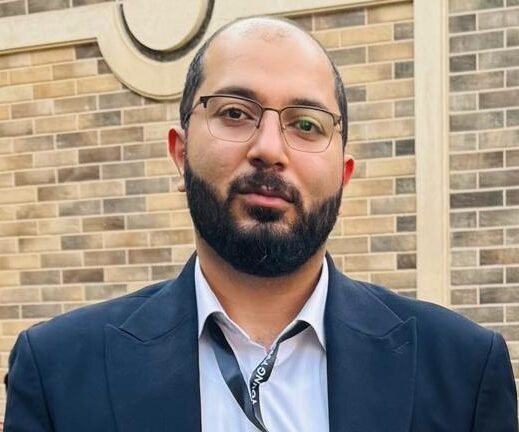
Dr. Mohammad Taher Gholi Tabar
Comparative Religious Studies & Interfaith Dialogue Specialist
Academic Background
- Ph.D. in Comparative Studies of Religions
- Specialized expertise in dialogue theory and practice
- Advanced training in Christian theology and Islamic thought
- Multilingual academic bridging Islamic and Western scholarly traditions
Professional Experience
- University of Graz: Abrahamic religions lecturer
- International Institute for Islamic Studies: Research scholar
- Islamic Azad University: Islamic philosophy instructor
- International interfaith dialogue program organizer and speaker
Research & Publications
- Peacebuilding through religious dialogue
- Religious harmony and coexistence methodologies
- Tourism’s role in intercultural dialogue
- Interreligious engagement frameworks
- Academic conference contributor on dialogue theory
Dialogue Expertise
- Interfaith dialogue facilitation across multiple traditions
- Cross-cultural communication between Islamic and Western contexts
- Community-based dialogue program development
- Religious coexistence and mutual understanding initiatives
Career Impact
Professional Applications
- Conflict Resolution: Community and organizational mediation
- Cross-Cultural Communication: International business and diplomacy
- Leadership Development: Team building and inclusive management
- Community Development: Social healing and reconciliation programs
- Digital Communication: Online platform design and moderation
Certification Value
Official certification from the Institute for Arts, Diplomacy & Economy, recognizing advanced competency in dialogue facilitation and transformative communication practices.
Course Overview
Dialogue as Transformative Practice
About Course and Content
This course explores dialogue as a transformative practice that transcends mere conversation to create genuine understanding across human contexts. Students examine dialogue as relationship-building rather than information exchange, moving beyond debate paradigms to master the art of “thinking together” through suspended assumptions and collective intelligence.
The curriculum integrates theoretical foundations from Socratic dialogue to contemporary practice, requiring deep engagement with case studies spanning cross-cultural communication, community healing, leadership development, and digital spaces.
Learning Experience Design
Immersive Learning Methodology
Interactive Case Studies: Analyze transformative dialogue initiatives including MIT’s Dialogue Project between scientists and indigenous knowledge-keepers, Chicago’s youth violence intervention programs, and Peru’s Amantani Island homestay experiences.
Practical Applications: Engage in structured dialogue sessions, role-playing exercises across cultural scenarios, and digital communication laboratories that build real-world competency.
Capstone Development: Design and present original dialogue frameworks addressing contemporary challenges, demonstrating mastery of theoretical principles and practical application.
What I will learn?
- Master the distinction between dialogue and debate, moving from winning arguments to building understanding through suspended assumptions and collective intelligence
- Develop deep listening skills and presence techniques that create authentic exchanges through microarchitecture of meaningful one-to-one communication
- Navigate cross-cultural dialogue complexities using “what” and “how” questioning techniques that transform untranslatability into dialogic opportunity
- Apply dialogue principles to tourism and hospitality contexts, moving beyond staged authenticity to create genuine cross-cultural understanding through narrative hospitality
- Facilitate dialogue in divided communities using structured approaches that build safety for difficult conversations through personal storytelling
- Lead through dialogue methodologies that prioritize questioning over telling, creating inclusive spaces where all voices contribute regardless of hierarchy
- Design effective digital dialogue spaces that slow down online communication and build understanding across virtual platforms
- Integrate creative expression into dialogue practice using art, story, and visual communication to bridge gaps where words alone fail
Course Details
Weekly Learning Journey
- Module 1: Foundations of Dialogue – Dialogue versus debate paradigms, Bohm’s collective intelligence theory, historical perspectives from Socratic to contemporary practice
- Module 2: Deep Listening Mastery – Presence and attentiveness techniques, microarchitecture of exchange, transformative questioning, role of silence, Nonviolent Communication frameworks
- Module 3: Cross-Cultural Dialogue Navigation – Untranslatability as opportunity, productive questioning techniques, ethical cultural engagement, Ubuntu dialogue practices from South Africa
- Module 4: Tourism as Dialogue – Visitor-host dynamics, moving beyond staged authenticity, narrative hospitality, dialogic souvenirs, Peru’s Amantani Island case study
- Module 5: Dialogue in Divided Communities – Structured safety creation, personal storytelling before issue-tackling, community healing through dialogue
- Module 6: Leadership Through Dialogue – Question-based leadership, inclusive voice creation, Mayo Clinic huddle methodology, innovation through unexpected sources
- Module 7: Digital Dialogue Spaces –Online understanding building, assumption-checking techniques, Human Library digital model, virtual prejudice reduction
- Module 8: Creative Dialogue Expression – Art and story as communication bridges, visual storytelling, Chiapas Photography Project methodology
- Module 9: Dialogue Debate Session – Participant-chosen topic exploration, structured for/against dialogue practice, democratic topic selection process
- Module 10: Capstone & Graduation – Original dialogue framework presentations, comprehensive assessment, certification ceremony
Assessment Structure
Portfolio-Based Evaluation (100%)
- Weeks 1-3: Theoretical Foundation Portfolio (25%)
- Weeks 4-6: Applied Practice Portfolio (25%)
- Weeks 7-8: Innovation Application Portfolio (25%)
- Weeks 9-10: Capstone Project & Presentation (25%)
Performance Standards
- Theoretical understanding demonstration
- Practical application competency
- Creative problem-solving innovation
- Professional facilitation skills
Course Structure
- 10 weeks comprehensive program
- 2 live dialogue sessions weekly (1.5 hours each)
- 3 hours independent practice requirement
- Case study methodology
- Interactive dialogue laboratories